Car Process on an LED Volume: The Complete Guide
Driving shots are where a volume pays for itself fastest: reflections are real, actors can see where they are, and the day is not hostage to traffic, weather or light. Here is how the work is actually built.
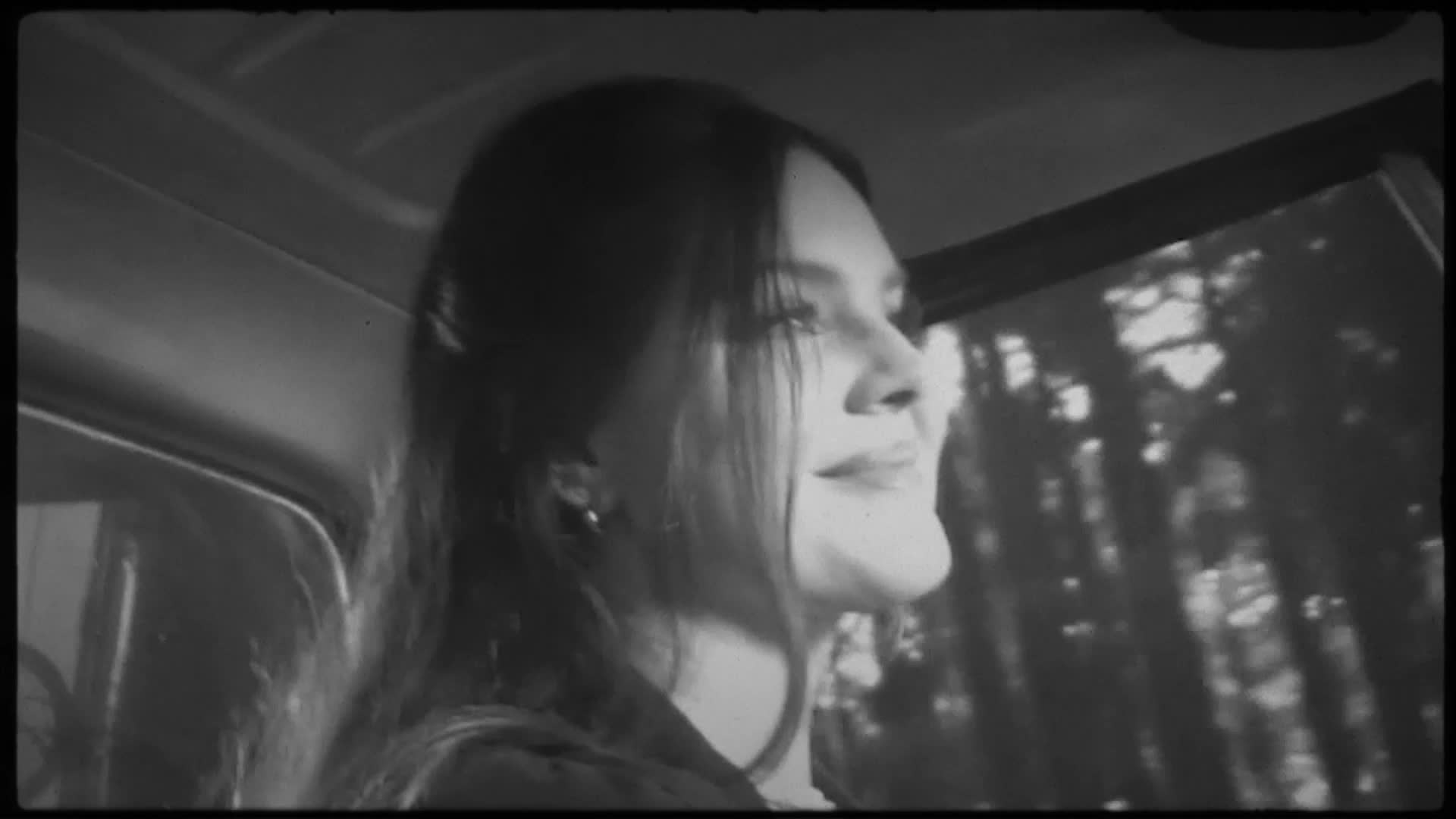
Why is car process the strongest case for an LED volume?
Because a car is a mirror. Everything a process trailer, a green screen or a poor man's process gets wrong about a vehicle comes down to reflections: paint, chrome, glass and interior trim all report what is actually around them, and audiences read a wrong reflection instantly even when they cannot say why. An LED volume puts the real environment around the car, so the reflections are correct in camera at the moment of capture rather than being rebuilt shot by shot afterwards.
Everything else is schedule. A driving sequence on location is hostage to traffic, permits, weather and a sun that moves. On a volume, the time of day is a setting and the day stops burning while you wait for it.
The performance argument, which usually wins the room
Caleb Heymann, DP on Stranger Things seasons four and five, put it plainly: everything done in the car was shot with modular LED screens, and it helped the actors to know where they were (VFX Voice, June 2026).
That is the part budgets tend to miss. A performer looking at a green wall is acting into nothing and eyelines drift. A performer watching a street go past a window is reacting, and the takes are usable sooner.
Two ways to do it, and they cost different amounts
Plate playback
Shoot or licence real driving plates and play them back on the wall. Cheapest, fastest to set up, and correct for anything where the camera stays in or near the car. The limitation is parallax: the plate has one perspective baked in, so a camera move that should reveal the world from a different angle will not.
Public cost benchmarks put two dimensional plate playback for car interiors at roughly 50,000 to 75,000 US dollars per week, against 35,000 to 50,000 for a standing stage, per CoPilot Co.. Treat those as directional. Published day rates for LED volumes currently range from 10,000 to 80,000 dollars depending on who you ask, which tells you how unreliable the public figures are.
Real-time environment
Build the world in Unreal and render it live against tracked camera position. More expensive up front because someone has to build the environment, and it buys you parallax, arbitrary camera moves, controllable time of day, and the ability to change the route in the room. If the sequence is long, or if the client will want variants, it is usually the cheaper answer by the end.
Our Driving Plates service exists in the space between the two: real captured plates with the flexibility of a real-time pipeline.
The four things that make or break a car day
Reflections and the ceiling
On a car, the ceiling is not optional. A vehicle's roof, windscreen and hood report whatever is above them, and a gap between wall and ceiling panels shows up as a hard bright line across the paint. This is the single most common reason car footage from a volume needs paint work. Seamless wall-to-ceiling continuity removes it rather than mitigating it, which is why it was designed into LA Center Studios.
Moiré and the curved plane problem
Car bodies are curved and often end up parallel to a curved wall, which is close to the worst case for moiré. We wrote up the mechanics separately in why moiré happens on an LED wall. The short version for car work: pitch and working distance are set before you arrive, so the levers you keep on the day are lens choice, focus and angle.
Motion, and whether the car moves
The vehicle can sit static with the world moving around it, ride a gimbal or low loader inside the volume, or be shot in pieces. Each changes what the suspension and the actors do, and each changes how the environment has to be driven. Decide this in prep, because it determines the whole rig.
Interactive light
Streetlights, tunnels, oncoming headlights and dappled tree light are the beats that sell a driving shot, and on a volume they come free because the wall is the source. This is the one place where the wall genuinely is your key light and it works, because you are lighting metal and glass rather than faces. For faces in the car, the usual caveat applies: see skin tones on an LED wall.
When not to do it on a volume
Wide exteriors where the car is small in frame and the environment has to be photoreal to the horizon are usually still a location or a plate job. Extreme speed and hard stunt work belongs on a road. Anything where the audience needs to feel real physical scale, real dust and real wind is asking for something a stage does not give you for free. We wrote the longer version of that argument in when not to shoot on an LED volume.
Work
Car and vehicle process across our stages: Continental, The Goal Is Confidence · BMW i5, Spaces Have Energy · Beverly Hills Cop, Axel F. Services: Driving Plates · Virtual Art Department.
Planning a driving sequence and want to know which of the two approaches fits the budget? Tell us about the shot.
Related Articles